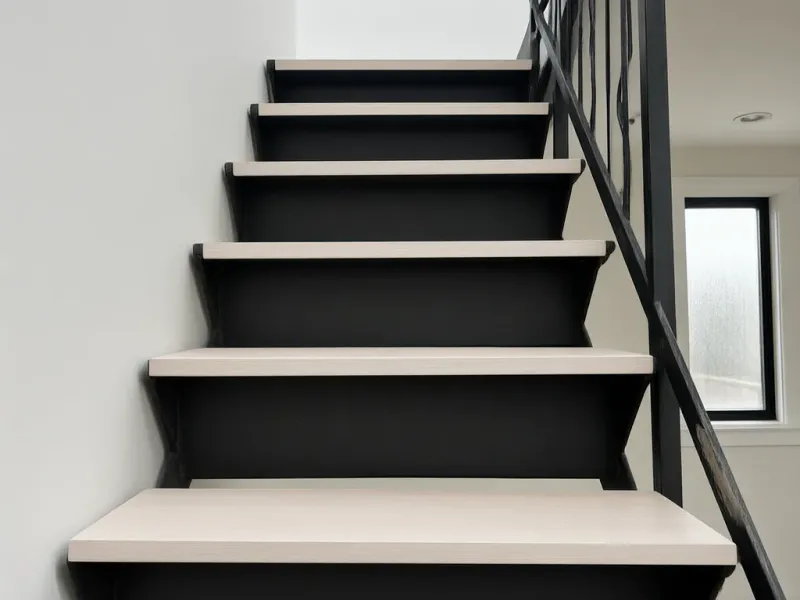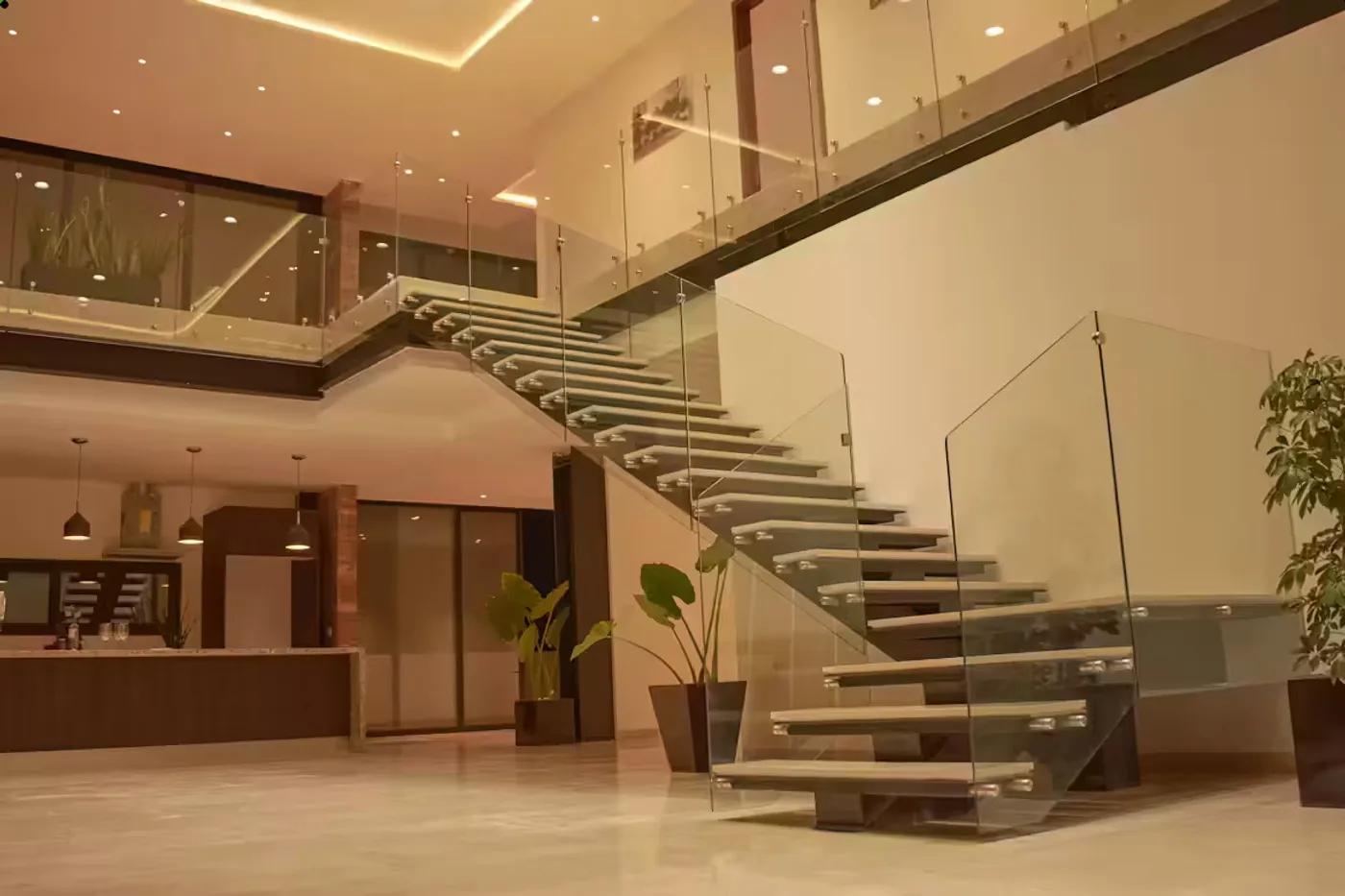
Hardwood floating stair installation in a Bay Area home

Wood Tread Options for Your Floating Staircase

We build the structure with laser-cut steel. You pick the wood. We stock walnut, ash, teak, and white oak. Every tread undergoes pre-acclimation to your home's actual indoor environment before installation.

At San Francisco Floating Stairs Specialists , your wood choice is a structural and aesthetic decision made with us. It isn't just a catalog choice you pick at the end.

Most Bay Area homeowners request white oak. It holds up to daily traffic and its tight grain ages cleanly. It takes various stains and oil finishes well. Walnut offers a darker, richer tone with dramatic grain. It's a natural pairing with dark steel and frameless glass in Marin County or Pacific Heights homes.

Ash has a lighter, more open grain at a lower price. It machines cleanly and finishes consistently. This makes it a practical choice for a bright, Scandinavian-influenced look. Teak is our densest option. It is an oily hardwood with natural moisture resistance. It works well for indoor-outdoor setups near the Peninsula or coastal Bay Area homes.

We acclimate every tread to your home's specific temperature and humidity before installation. Skipping this leads to cracking, movement, or finish separation. We include the acclimatization window in our project schedule. It's a non-negotiable step.

We don't use a default thickness. We determine it based on load, span, and wood species. We calculate structural thickness for each installation based on cantilever length and CBC load requirements. Then we match that to your selected wood. We can finish edges as eased, chamfered, or square depending on your design.
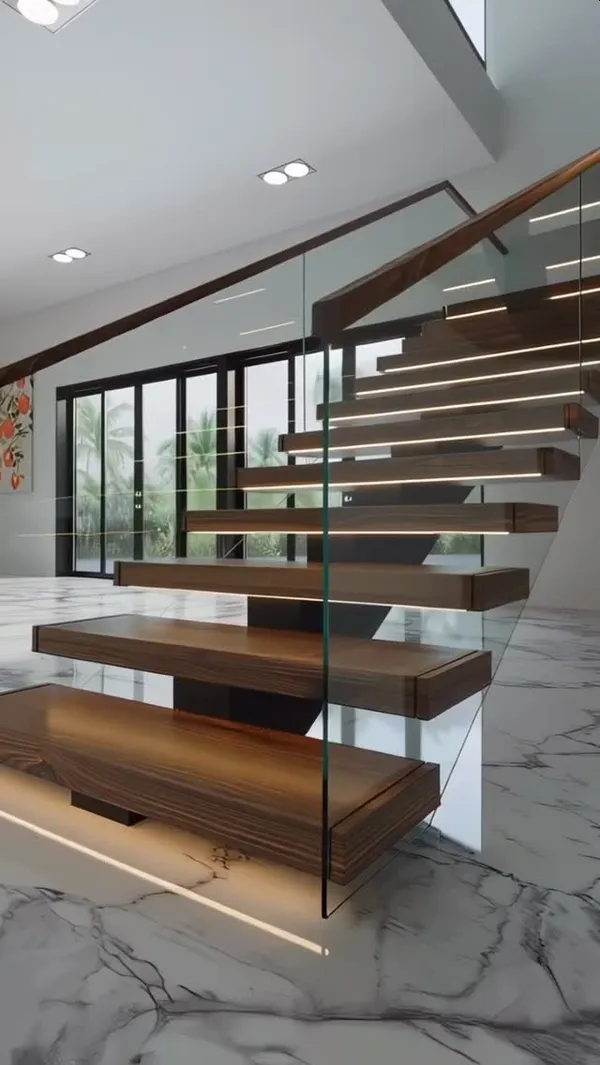
Walnut wood tread floating stairs with glass railing

Select your tread species today.

We'll review your space and recommend the right wood, thickness, and finish for your project.

Before and After
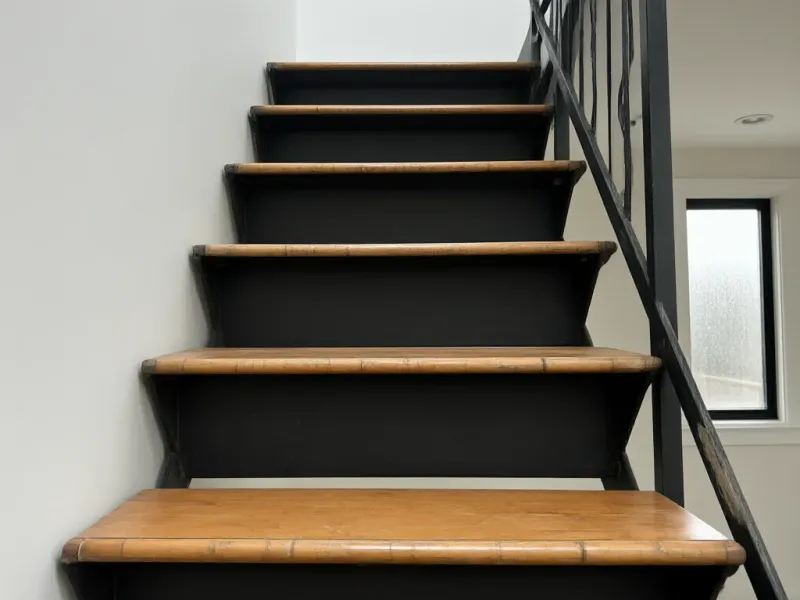
Steel floating stair with thin, worn bamboo treads in an Outer Sunset home
Steel floating stair retreaded with thick solid white oak in an Outer Sunset home
Typical before and after: worn bamboo treads on a steel floating stair replaced with thick white oak.

Wood Tread Selection & Installation

01
Species Review & Sample Selection
We walk through available species and discuss finish ranges. We provide physical samples so you can see color and grain against your interior materials under your home's actual lighting.
02
Structural Thickness Calculation
Tread thickness depends on wood species density, cantilever span, and load requirements. We specify the structural minimum and then review finish profile options above that threshold.
03
Acclimatization
We deliver treads to your property and store them in the installation space for the required acclimatization period. This step is non-negotiable.
04
Shop Fabrication & Fitting
We fabricate steel cantilever supports to exact field dimensions. We pre-drill and fit treads to the steel in our shop before delivery. We don't do cutting on site.
05
Installation & Finish Review
We install the treads and review the finish under installed conditions. We address any touch-up requirements before we hand off the project.

Wood Tread Floating Stairs, FAQ

What is the best wood for floating stairs in the Bay Area?
White oak performs best for most Bay Area residential stairs. It is dimensionally stable, accepts many finishes, and holds up to daily traffic. Teak offers better natural moisture resistance for humid or coastal conditions. We'll make a specific recommendation after reviewing your space.
Does wood movement affect floating stairs?
Yes. That is why we require acclimatization before installation. Treads delivered cold or with different humidity levels than your home will move after installation. We build the acclimatization window into the project schedule and verify conditions before we secure the treads.
How are wood treads refinished over time?
Most oil-finished treads allow for spot-refinishing without a full removal. Poly-finished treads typically require sanding and re-coating when surface wear shows. We recommend oil finishes for floating stairs because they are easier to maintain.
Can I change my wood tread species after ordering?
You must confirm your species selection before fabrication begins. Thickness calculations are species-specific. Changes after that point require revised engineering and extend your fabrication timeline.
How thick are the wood treads?
Structural thickness ranges from 1.75 inches to 3 inches. This depends on cantilever span, load, and species density. We calculate the required minimum for your specific configuration and discuss finish profile options above that threshold.

Choose Your Wood Tread Today

Contact San Francisco Floating Stairs Specialists for species recommendations and a full project quote.